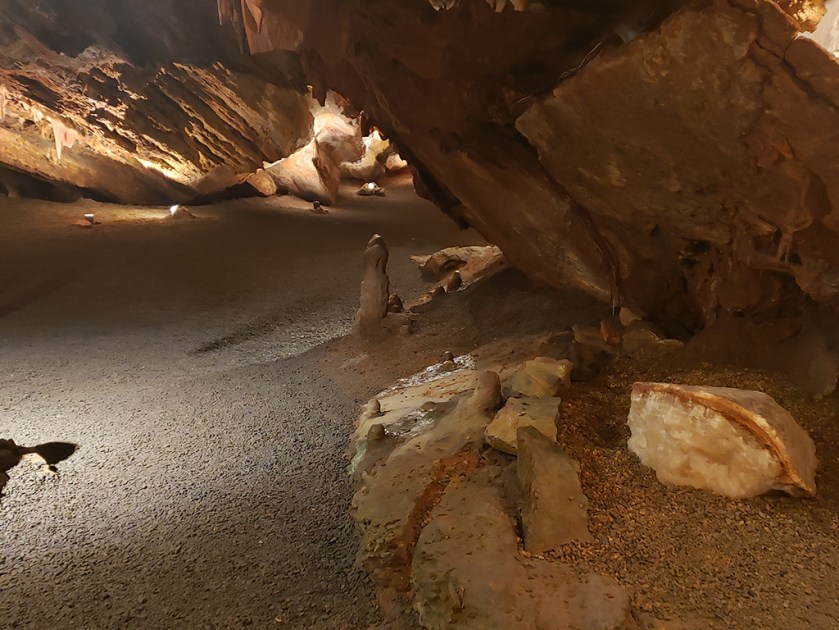
With nothing else to do for the weekend, we grabbed one of Najwa’s friends and headed out to the mountains. But climbing one of the summits of the Blue Ridge Mountains would wait for tomorrow. The first goal was to go below in the Shenandoah Caverns.
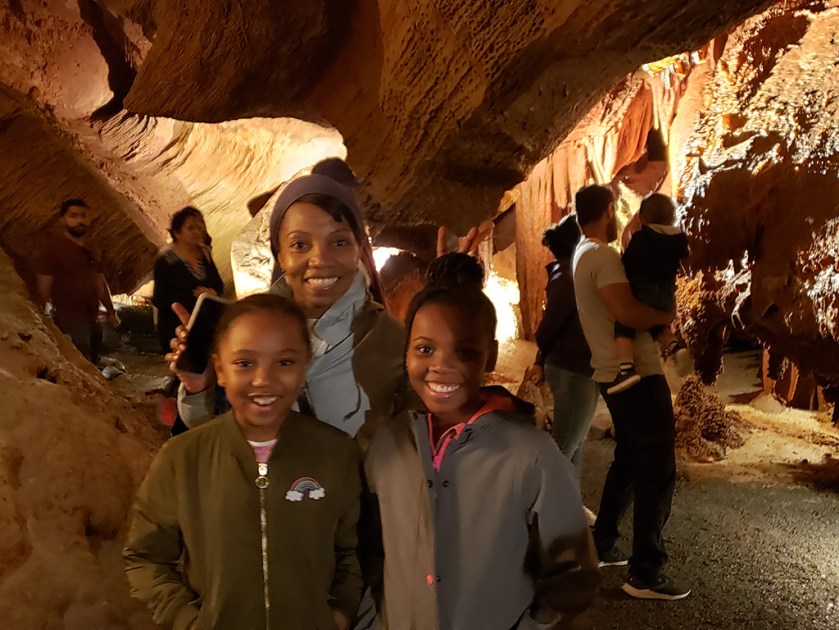
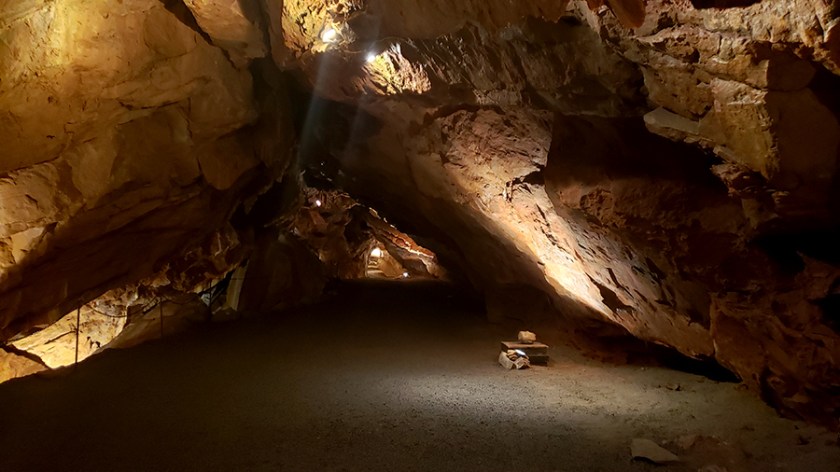
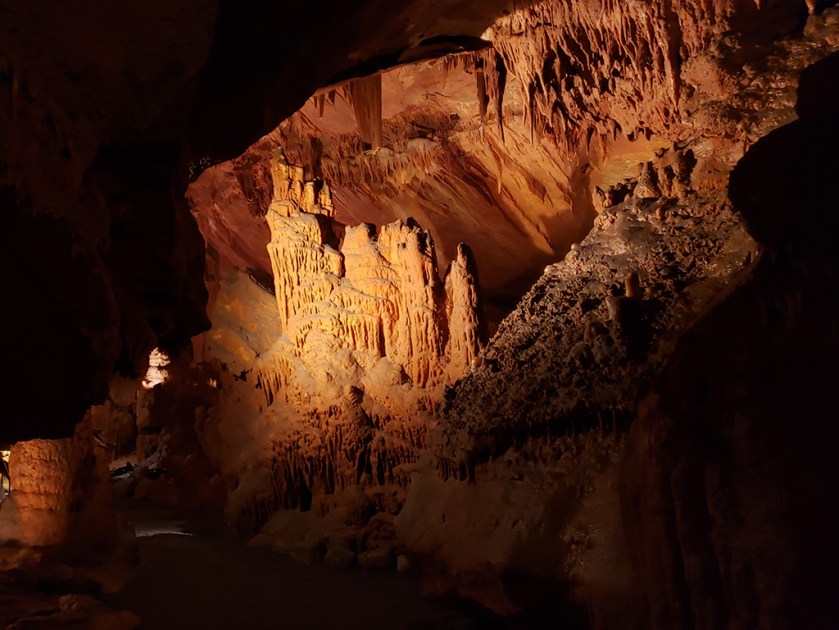
The caverns tour consists of a one mile, one hour walk through around 17 spectacular rooms and passageways. All of our tours are personally guided by a knowledgeable guide who will show you all the wonders of this underground world, as well as answer any questions you may have. You’ll see a variety of unique, intricate and unexpected formations like the Capitol Dome, Rainbow Lake and Beyond the Veil. Our famous “Breakfast Bacon” formations were featured in National Geographic Magazine. From soaring rooms like Long View Hall to the extraordinary crystalline formations of Diamond Cascade, there’s a new wonder around every bend.
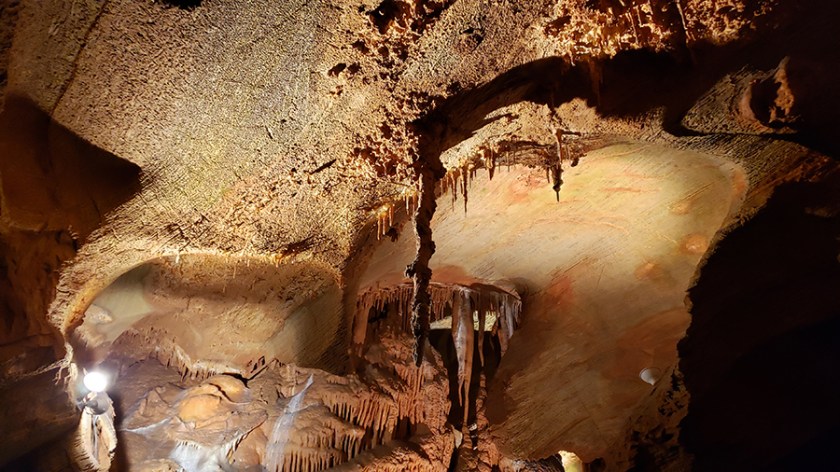
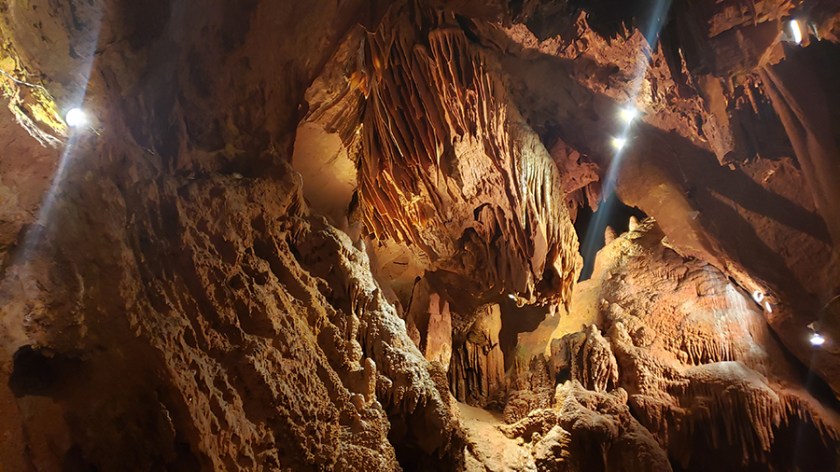
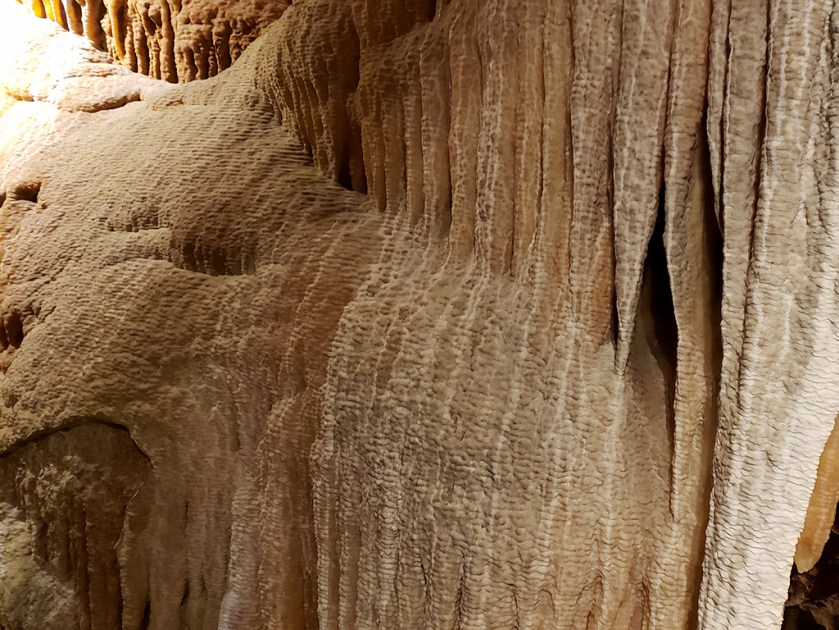
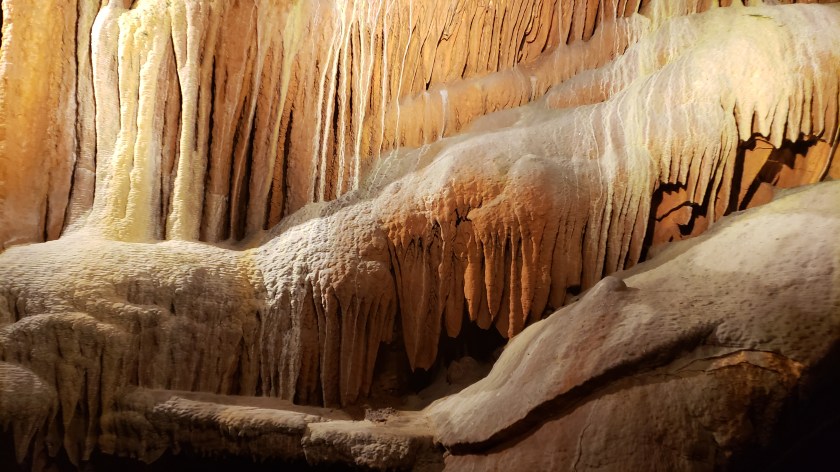
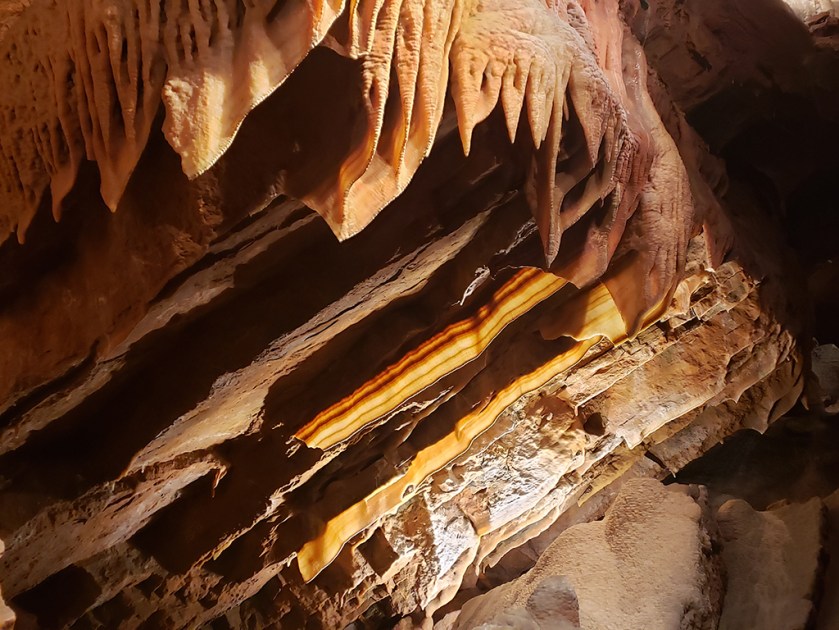
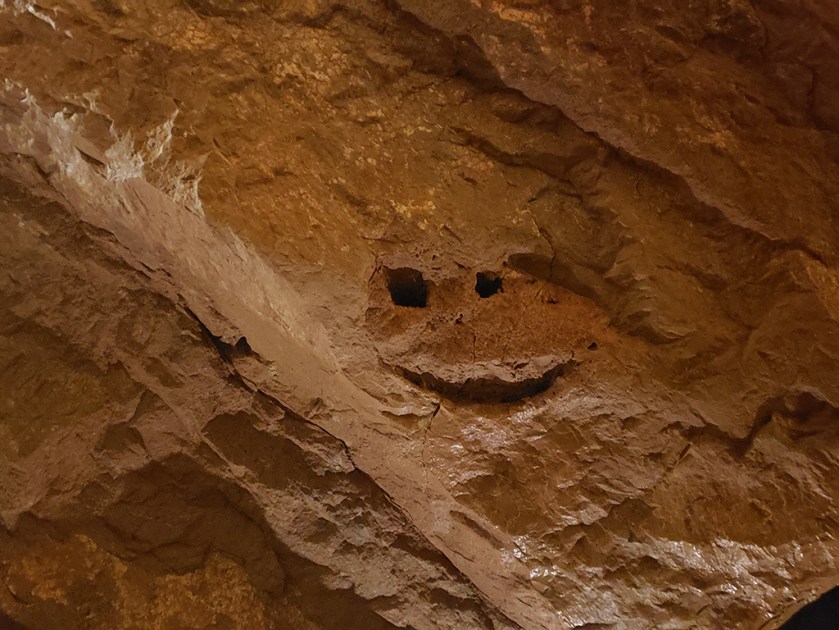
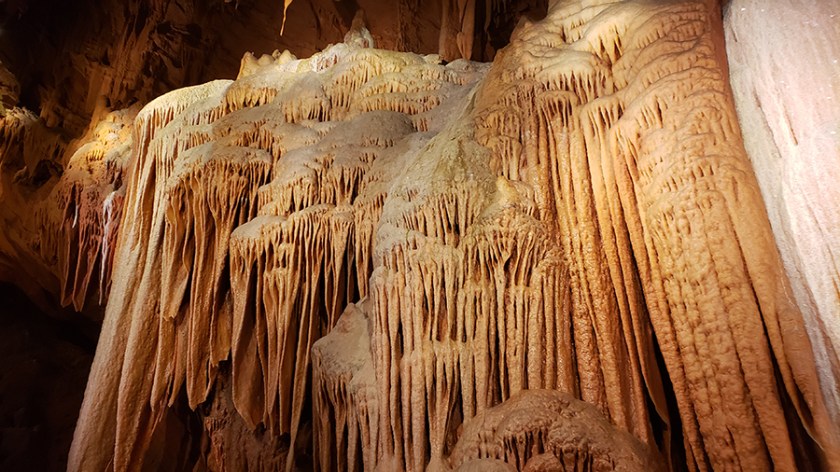
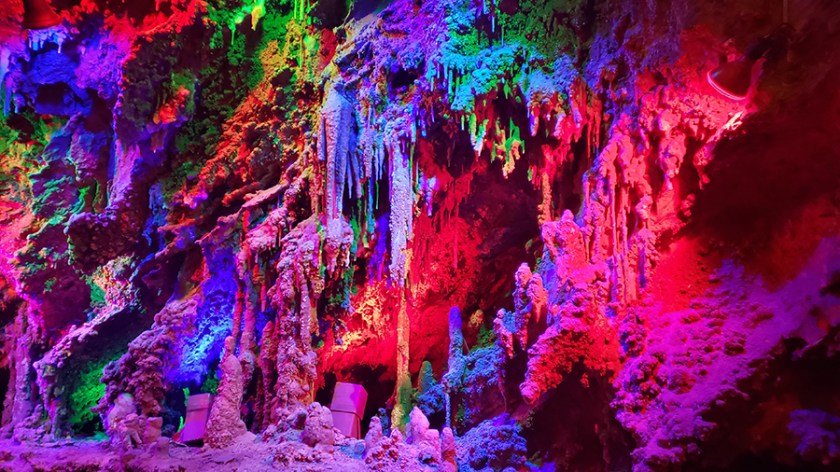
Learning about how the rocks formed was pretty interesting. But what they do different from other caves and caverns is put on a light show.
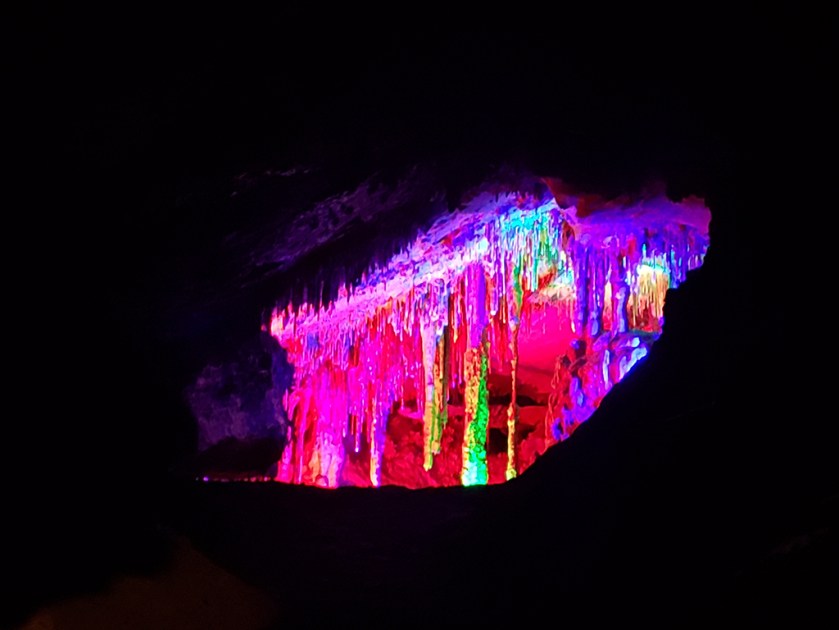
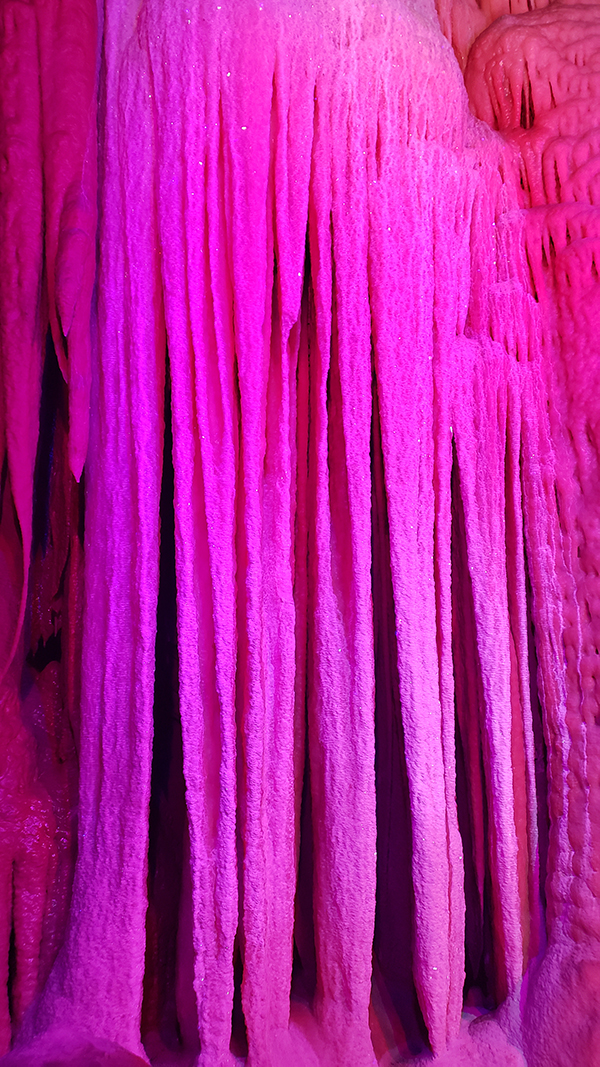
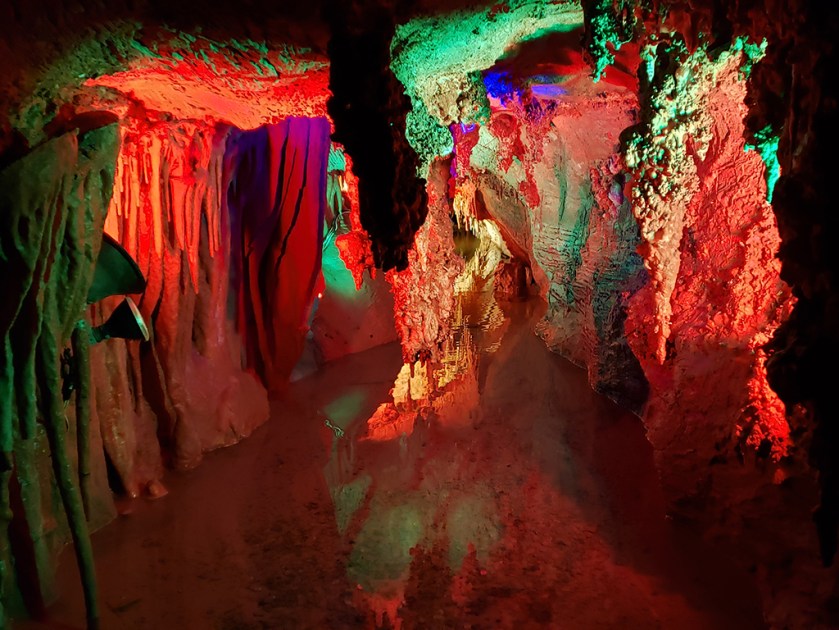
Imagine finding a hole in the ground with cold area coming out of it. What do you do?
It was October of 1884. The Southern Railway line was being built through Shenandoah County, and farmer Abraham Neff had agreed to let the railway quarry limestone from his property right beside the railroad. One Sunday, while the workers were away, Abraham’s sons were playing in the quarry. Imagine their surprise when they felt cold air rising from a hole in the ground. Curious, they retrieved ropes and candles and scrambled down the 275 foot, twisting and winding shaft. At the bottom they discovered a huge, dark room, full of stalactites, stalagmites and flowstone. They were too scared to venture further, so they went back up the shaft and told their family about their discovery. Eventually the family explored further and discovered the large cavern system beyond.
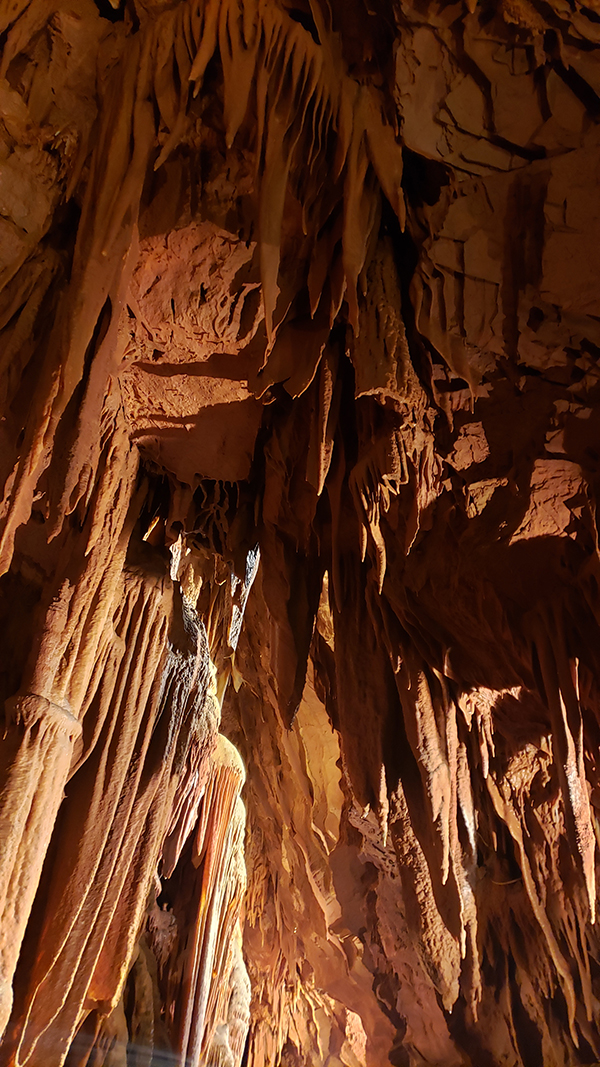
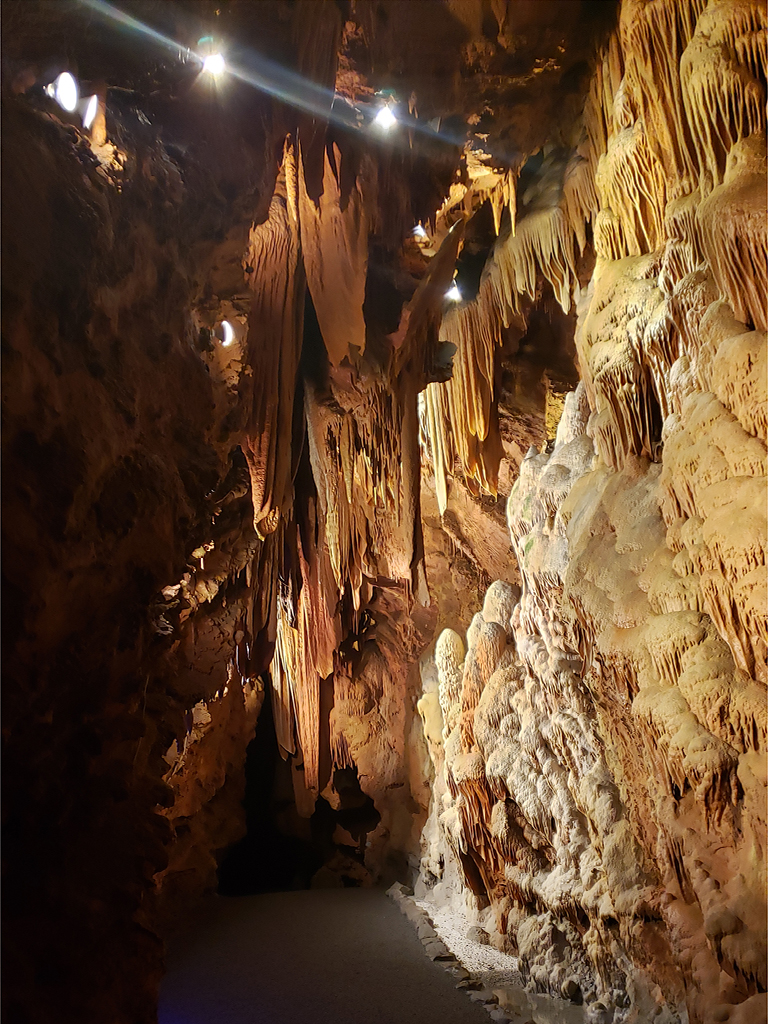
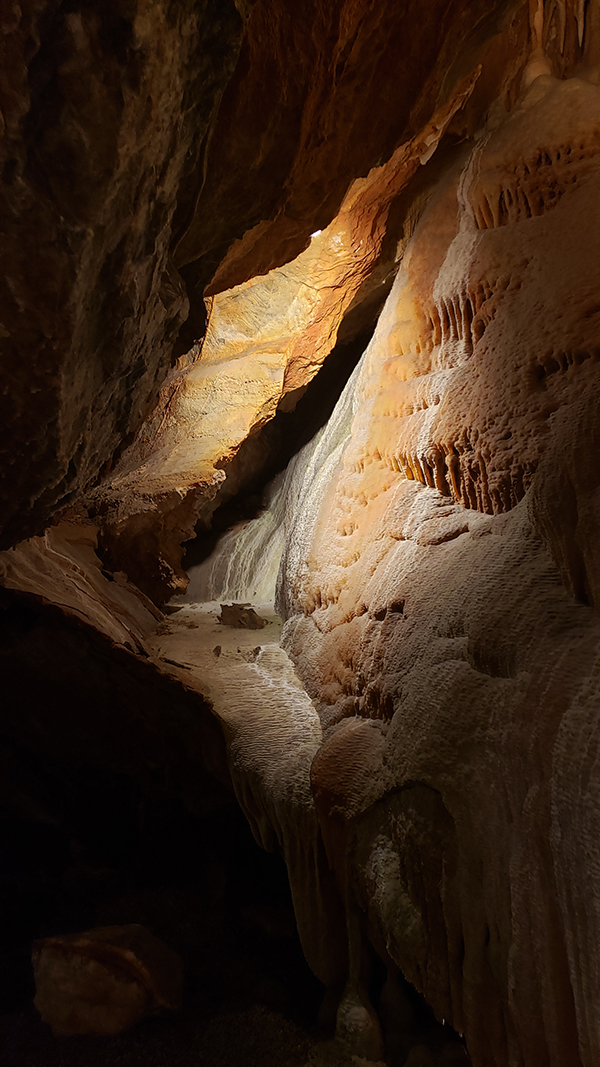
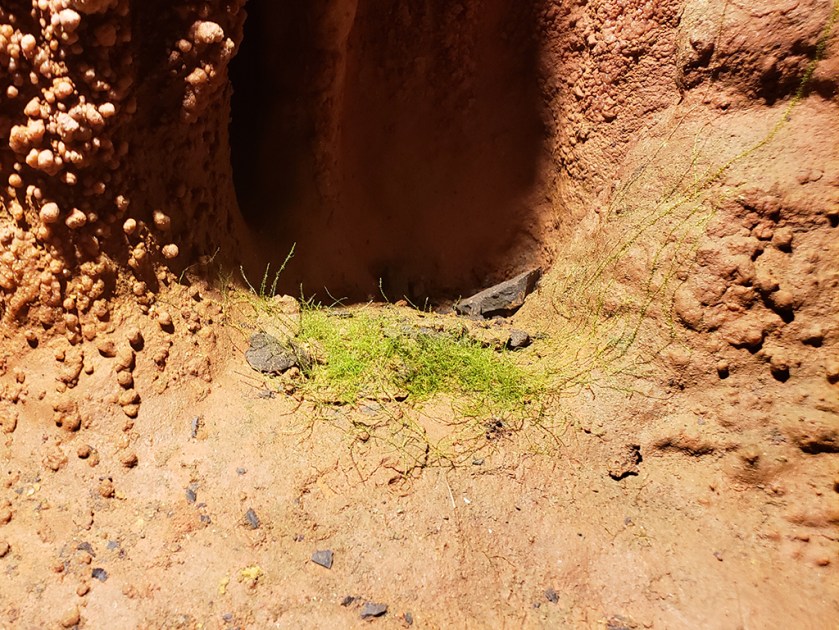
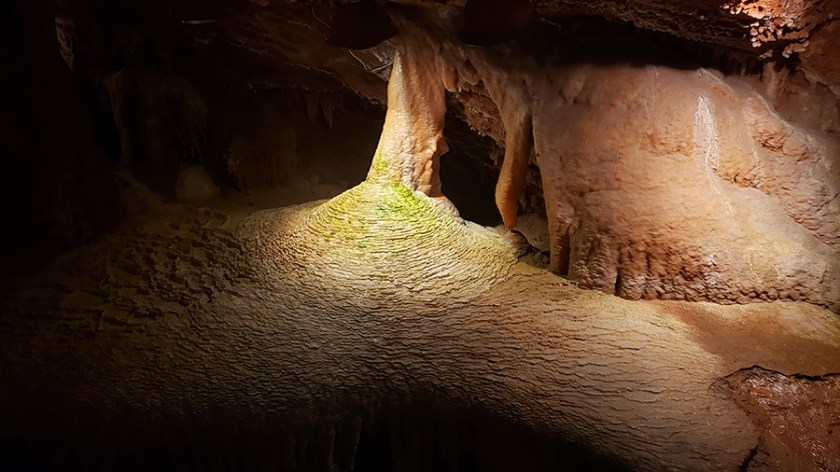
I asked about animals that might be crawling around the caverns. The last thing I wanted was for a bat or snake to show its face sending the kids running around the caverns. Though they have had a critter fall into the caverns every now and again, the only true life form is some plants that apparently don’t need any sunlight to grow.
But what makes the caverns the best place to visit is to give the kids something different to experience.
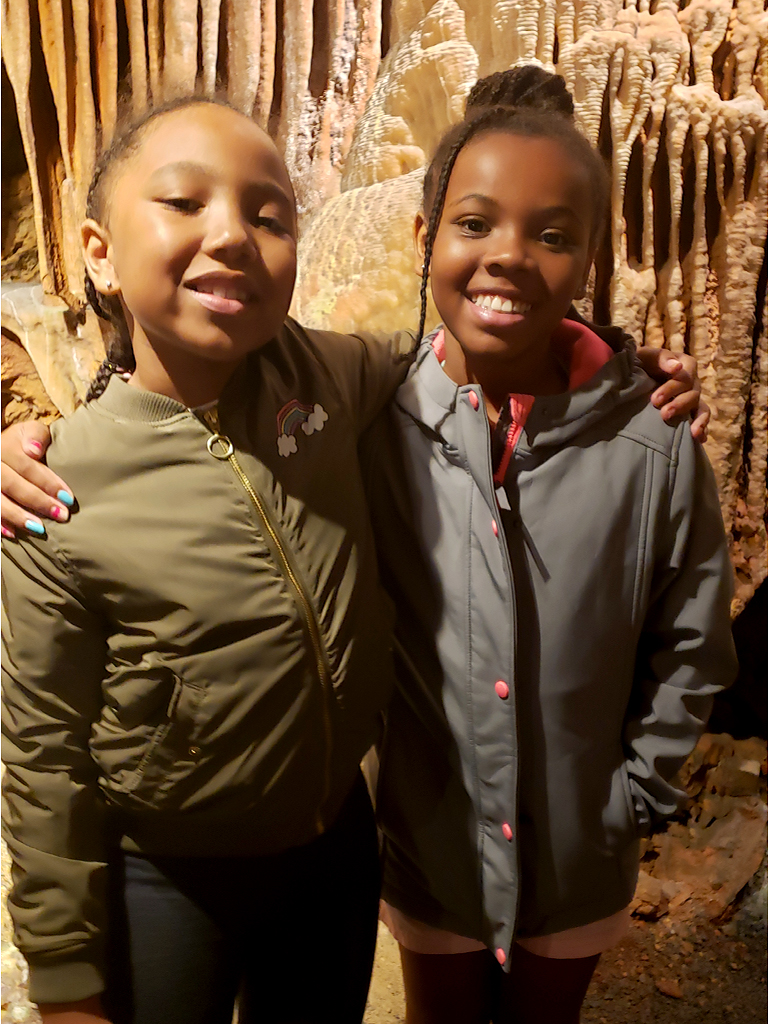
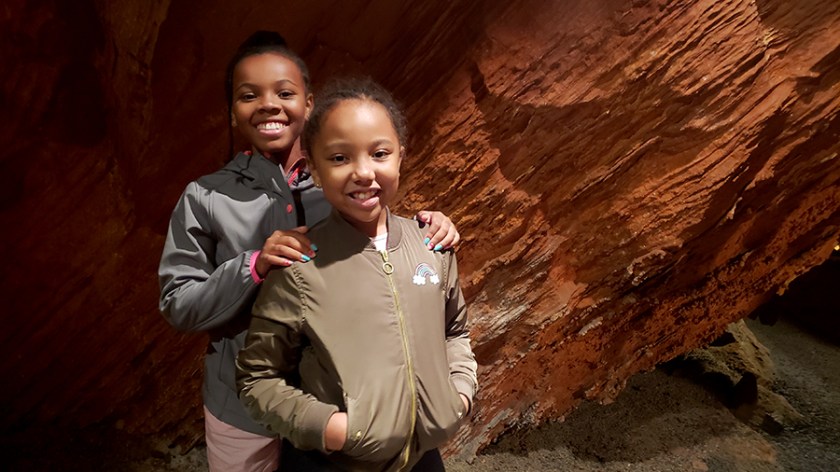
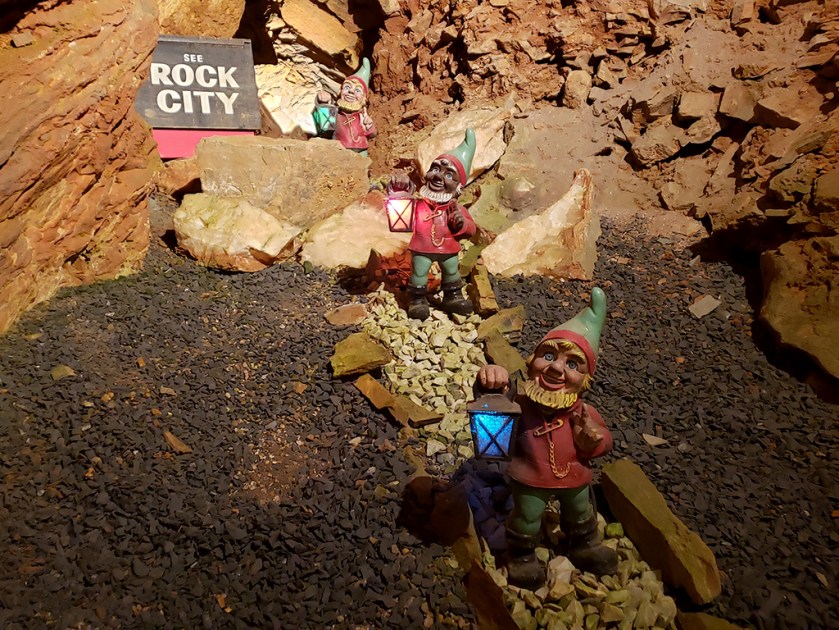
And in case you were wondering like me the difference between a cave and a cavern:
Cave
A cave is a hollow place in the ground, specifically a natural underground space large enough for a human to enter. Caves form naturally by the weathering of rock and often extend deep underground. The word cave can also refer to much smaller openings such as sea caves, rock shelters, and grottos, though strictly speaking a cave is exogene, meaning it is deeper than its opening is wide, and a rock shelter is endogene. A cavern is a specific type of cave, naturally formed in soluble rock with the ability to grow speleothems. Speleology is the science of exploration and study of all aspects of caves and the cave environment. Visiting or exploring caves for recreation may be called caving, potholing, or spelunking.Cavern
A cave is a hollow place in the ground, specifically a natural underground space large enough for a human to enter. Caves form naturally by the weathering of rock and often extend deep underground. The word cave can also refer to much smaller openings such as sea caves, rock shelters, and grottos, though strictly speaking a cave is exogene, meaning it is deeper than its opening is wide, and a rock shelter is endogene. A cavern is a specific type of cave, naturally formed in soluble rock with the ability to grow speleothems. Speleology is the science of exploration and study of all aspects of caves and the cave environment. Visiting or exploring caves for recreation may be called caving, potholing, or spelunking.

 contrails