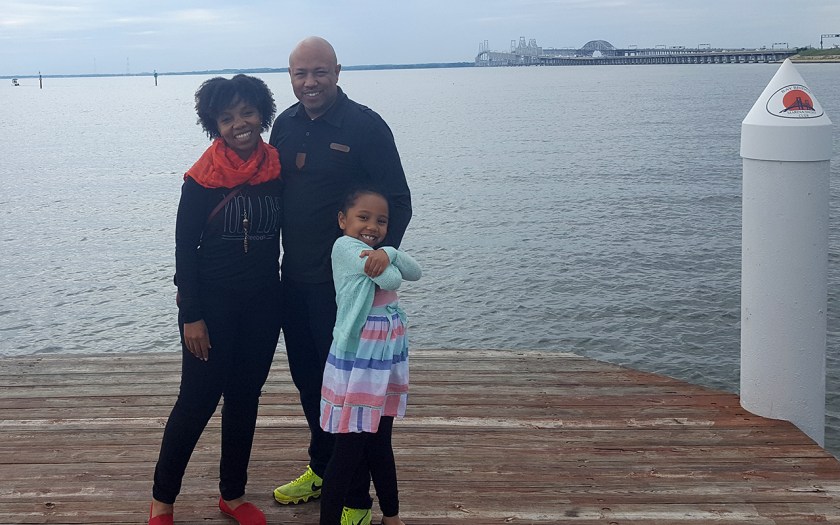
Every now and again we have to get away for the day, but it’s so last minute that we’re not ready to cross an ocean. Those days usually land us an hour or so from home like right in the middle of the Chesapeake Bay.
We didn’t have any specific plans, not that there’s much to do on Kent Island. If anything, Nduku wanted to grab a bite to eat with a view of the bay so we ended up at Hemingway’s.
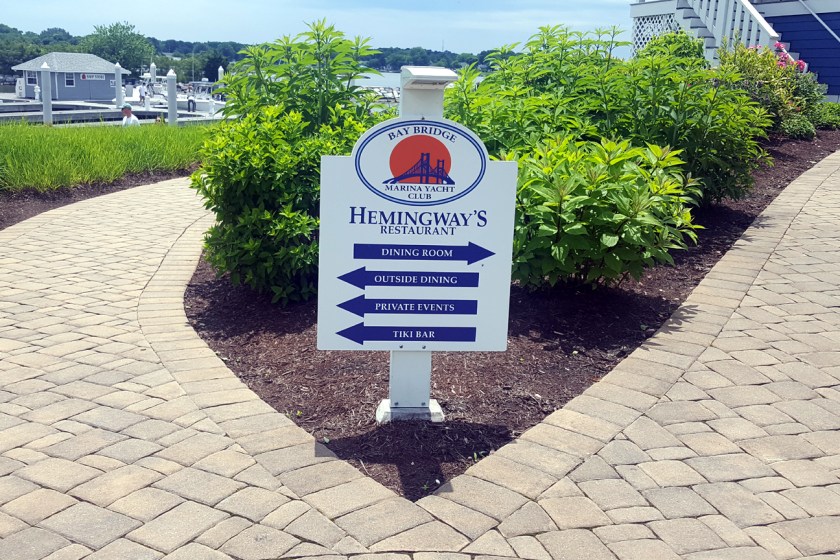
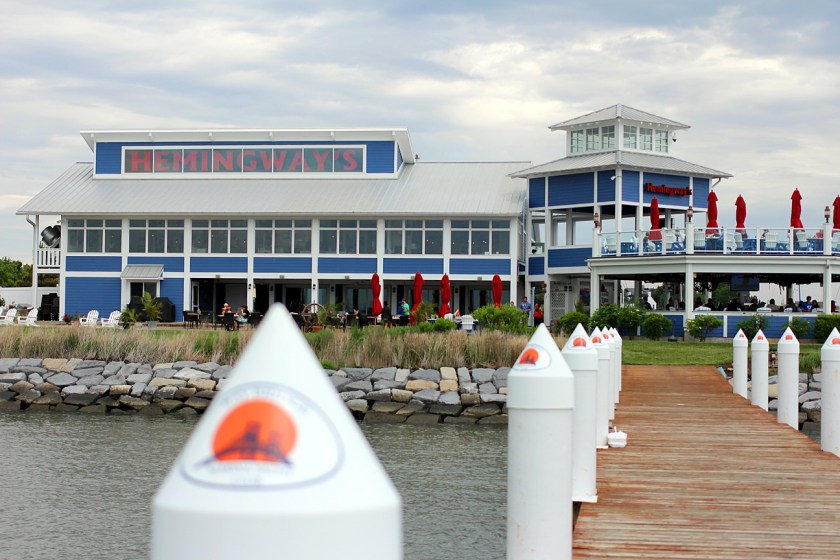
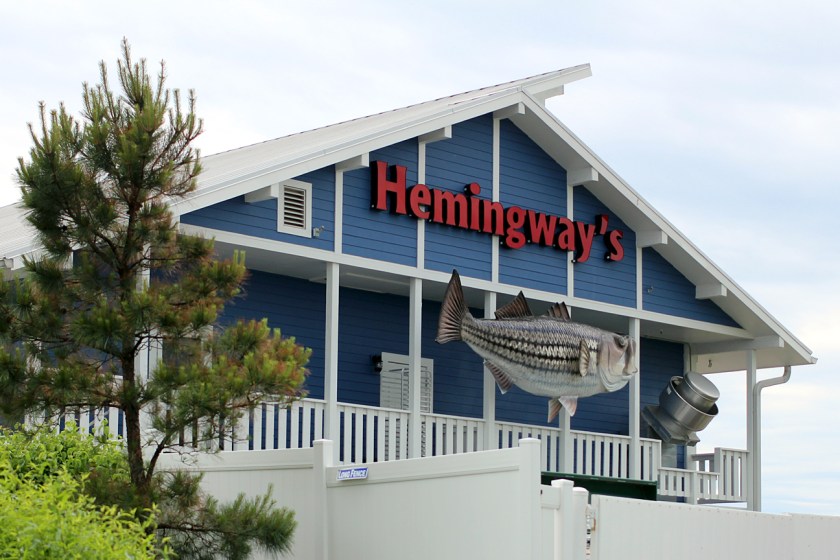
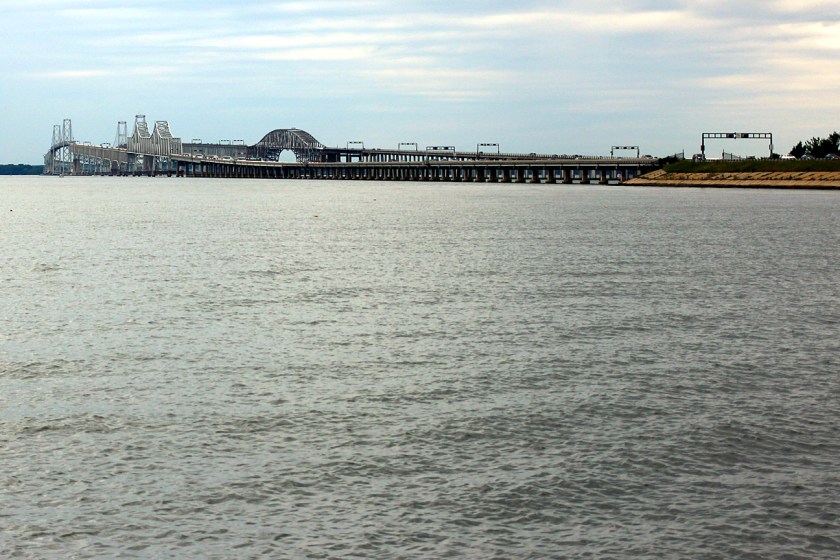
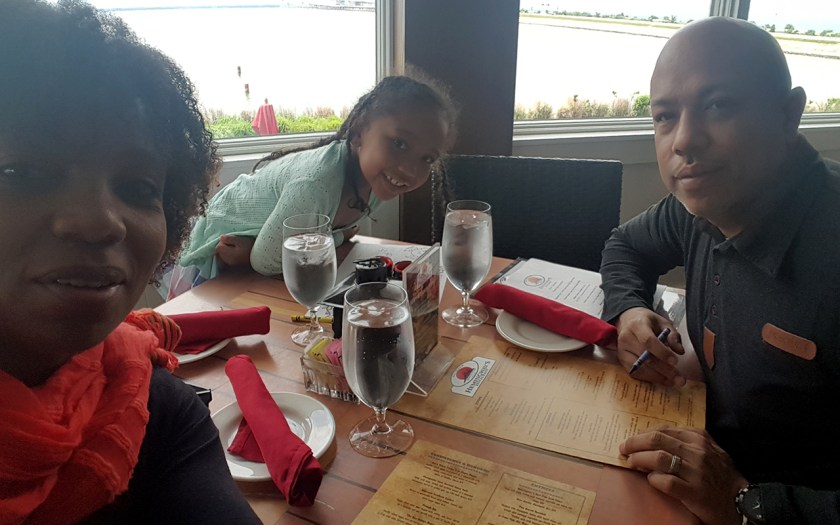
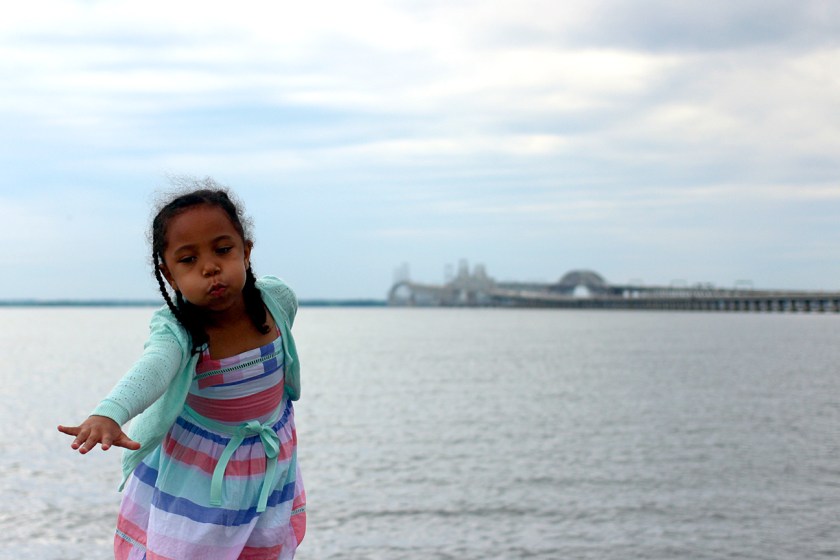
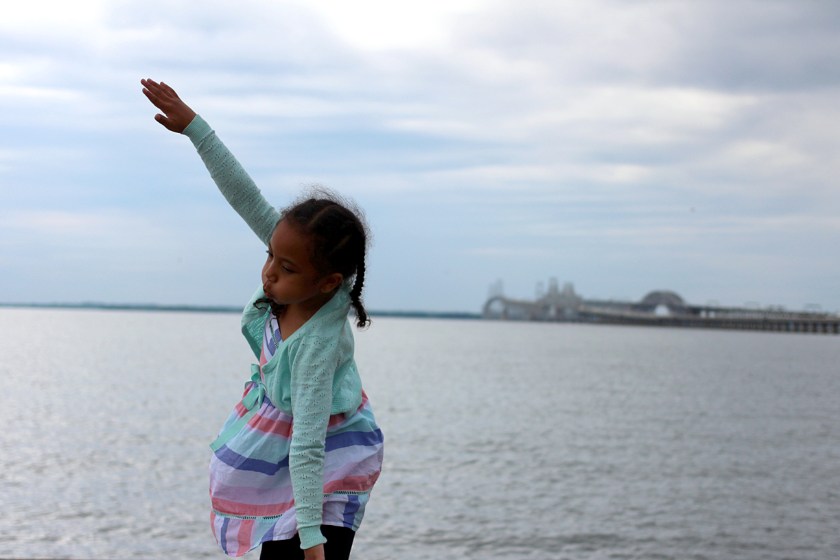
Food was good. People were friendly. We then took a walk on the pier that juts out into the bay. Najwa said she wanted to go for a swim, but she can’t swim. So, she instructed me on how to hold the camera to make it appear as if she was swimming.


There is one attraction on Kent Island, though. Not quite a Smithsonian, but interesting nevertheless.
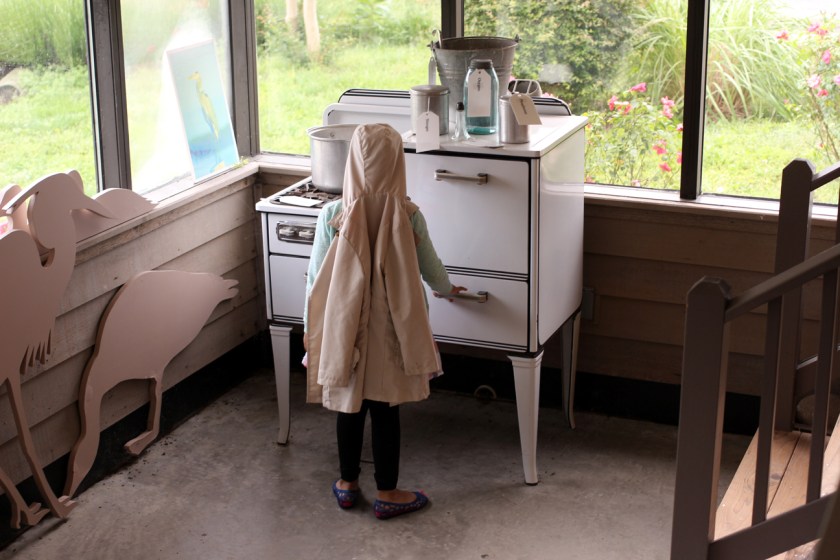
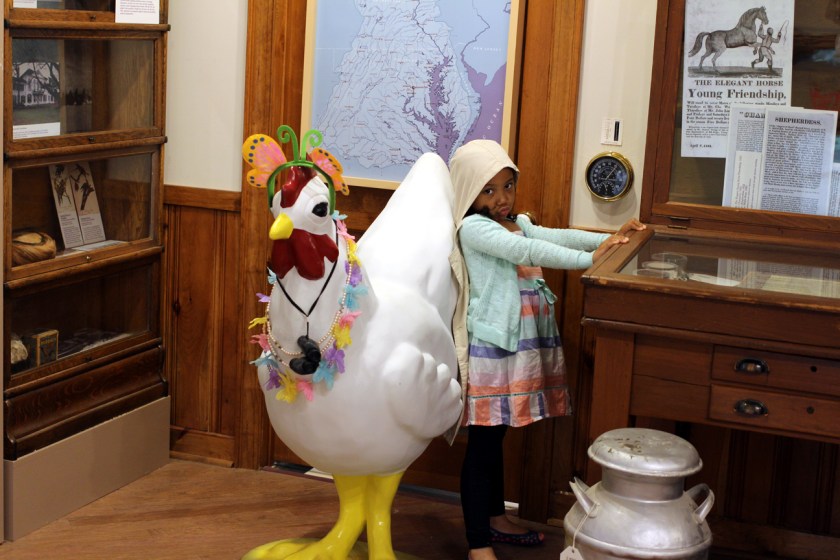
The Chesapeake Heritage & Visitor Center (CHVC) helps visitors discover the many sights to see in our region. Staff can assist visitors with directions, information and local destination points of interest. The CHVC is also home to two exhibits. The first features a quarterly rotating artist series. The artwork is by local artisans with an emphasis on the Eastern Shore, The second exhibit space is dedicated to the history, heritage, culture of the area.
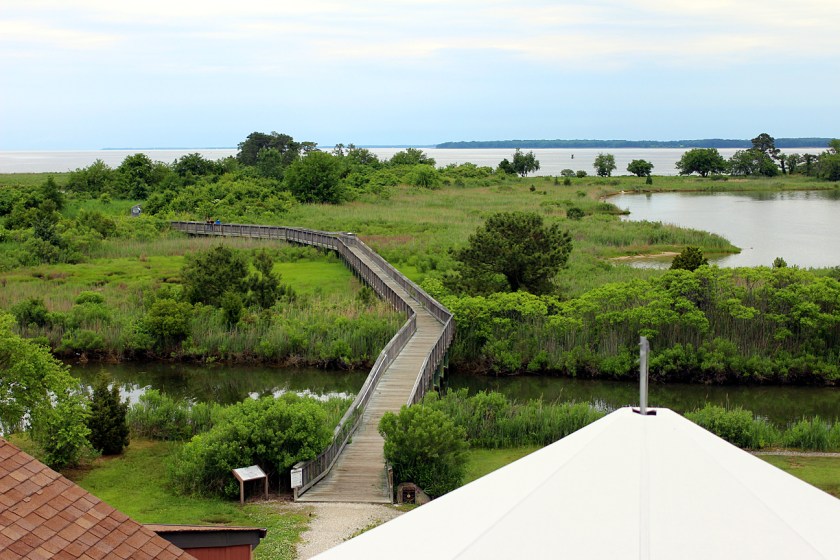
The Cross Island Trail encircles the grounds of the center. Also located on the property is the entrance to Ferry Point Park which includes a 530 foot boardwalk that takes visitors over marsh and onto a trail leading to open space, a wooded area and a beach overlooking the Chester River.
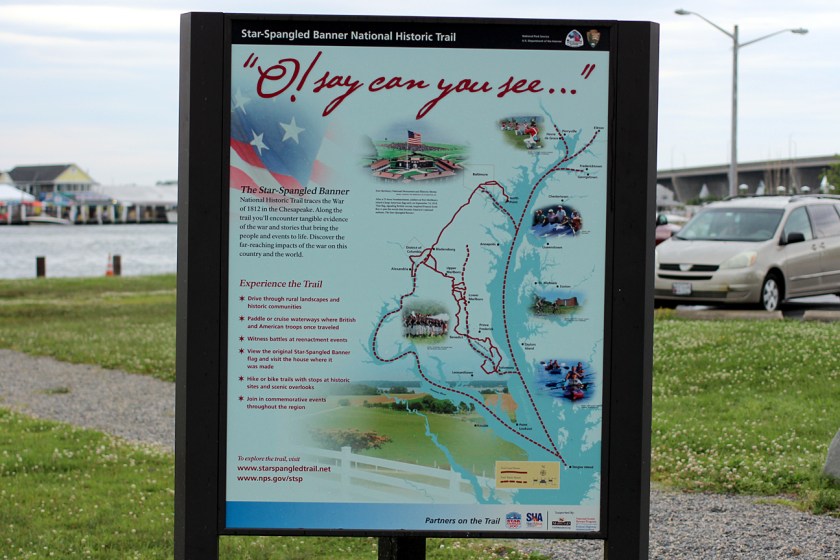
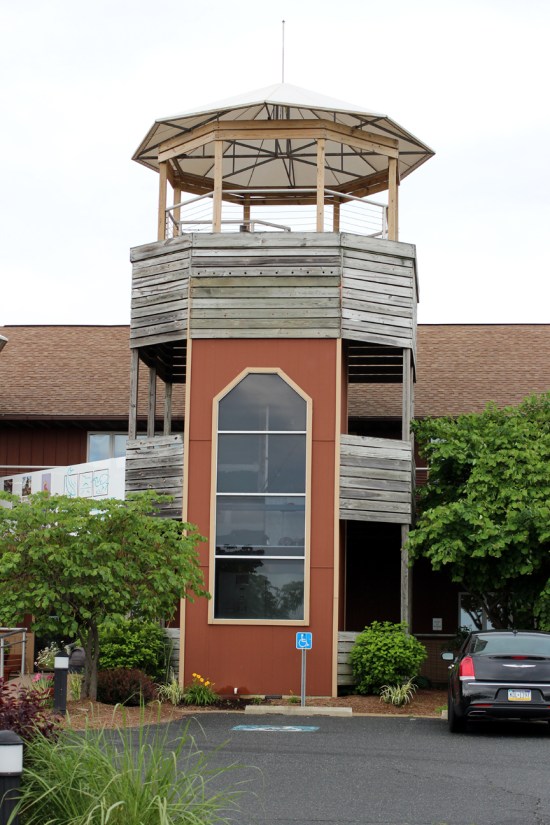
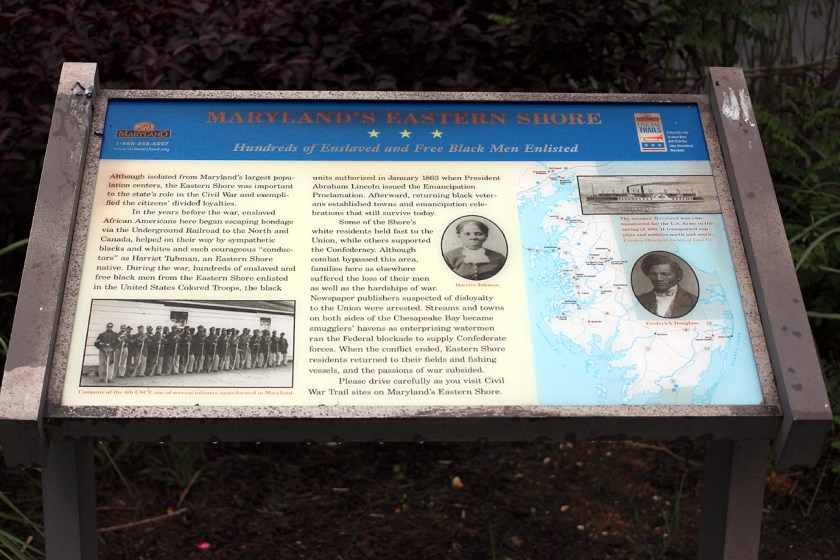
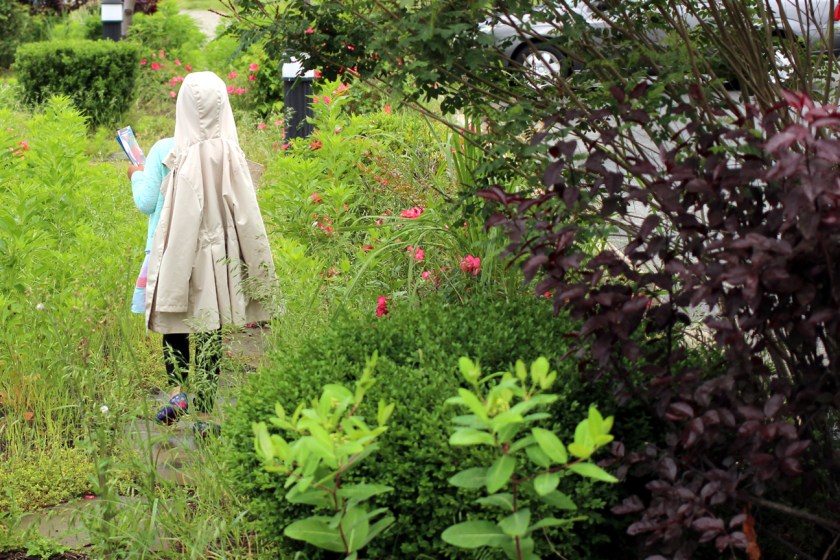
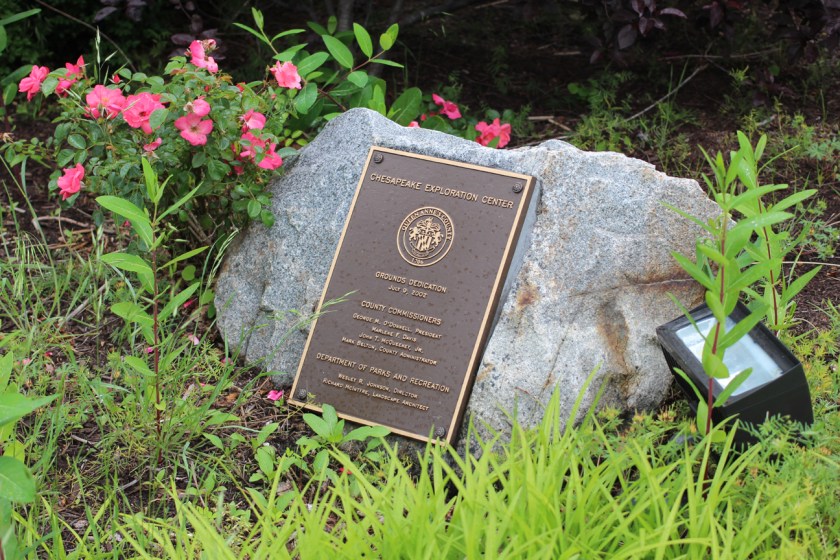
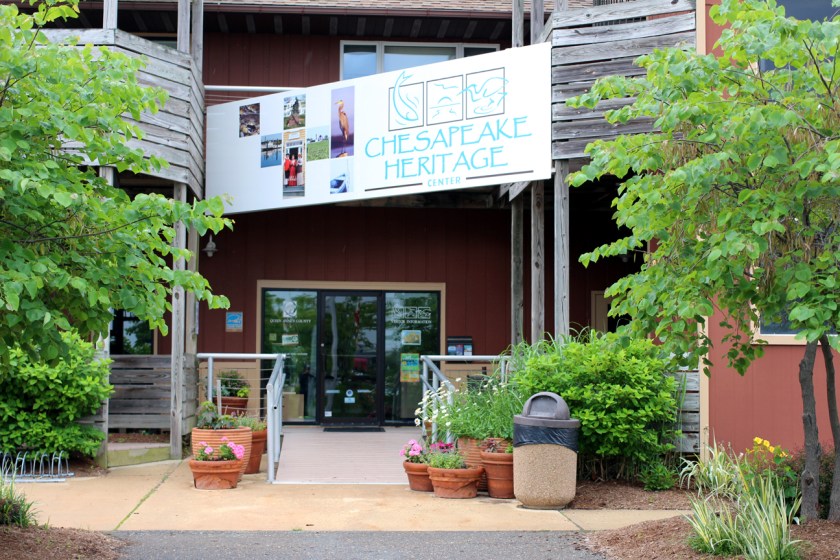
The Chesapeake Heritage & Visitor Center is pretty cool. It’s mostly there to guide visitors on what to do in the area whether it’s biking, kayaking, walking the trail, or to learn more about the area’s history. There is a small museum as well that gives the historic background of the area as well as its wildlife.
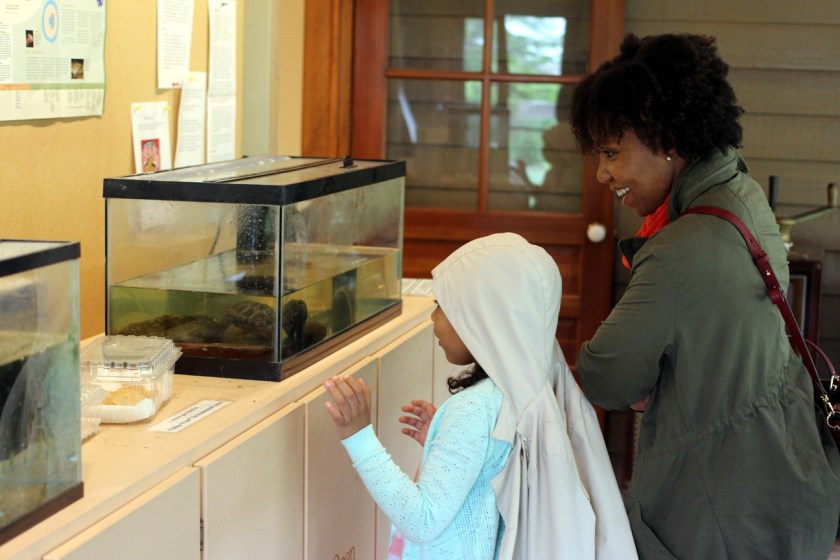
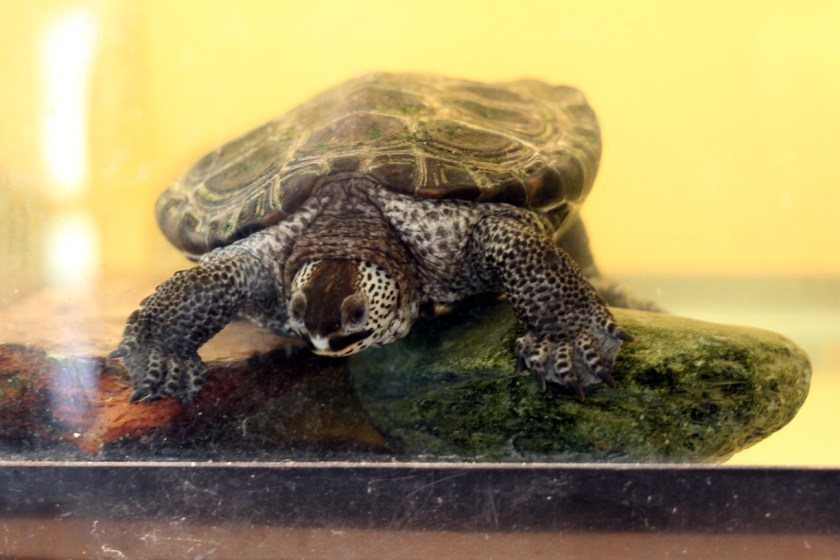
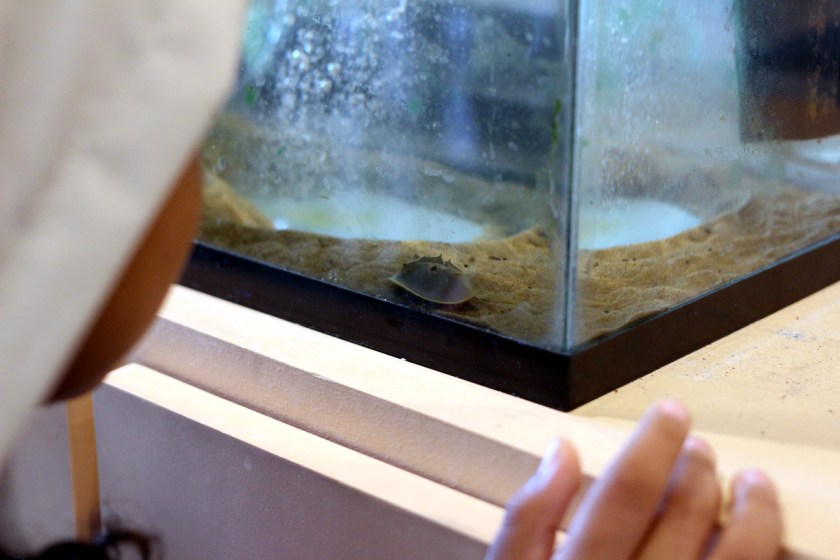
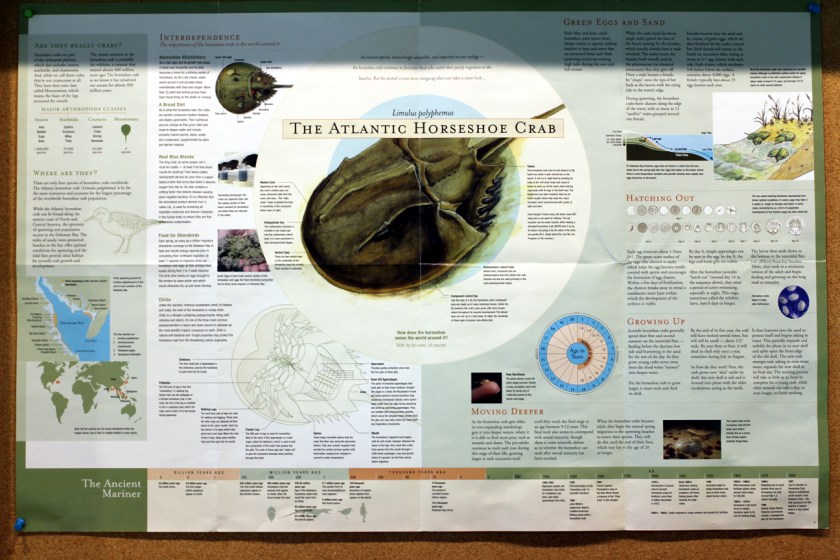
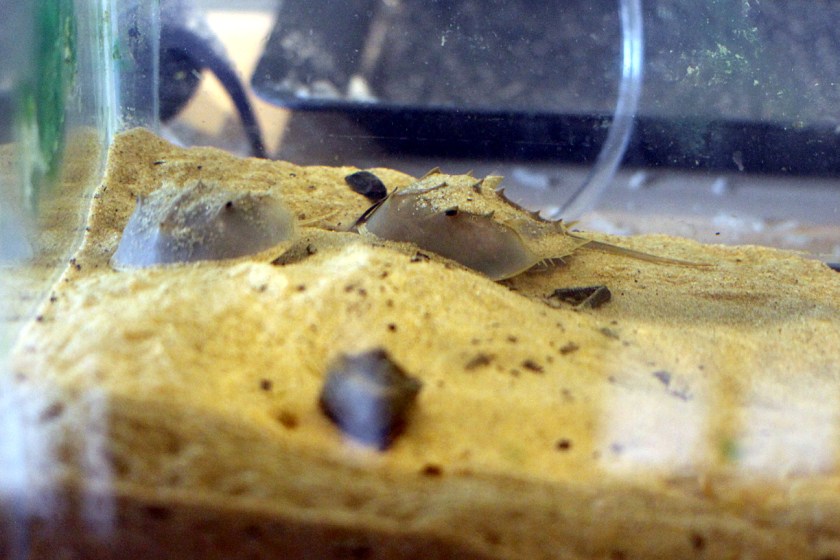
The Horseshoe Crab has a special place in the Chesapeake Bay. Though it’s called a crab, it’s more akin to spiders, ticks, and scorpions than crabs. It’s also called a living fossil. But to the scientific community, it has another purpose, something that is slowly killing them off.
The thing about the blood that everyone notices first: It’s blue, baby blue.
The marvelous thing about horseshoe crab blood, though, isn’t the color. It’s a chemical found only in the amoebocytes of its blood cells that can detect mere traces of bacterial presence and trap them in inescapable clots.
To take advantage of this biological idiosyncrasy, pharmaceutical companies burst the cells that contain the chemical, called coagulogen. Then, they can use the coagulogen to detect contamination in any solution that might come into contact with blood. If there are dangerous bacterial endotoxins in the liquid—even at a concentration of one part per trillion—the horseshoe crab blood extract will go to work, turning the solution into what scientist Fred Bang, who co-discovered the substance, called a “gel.”
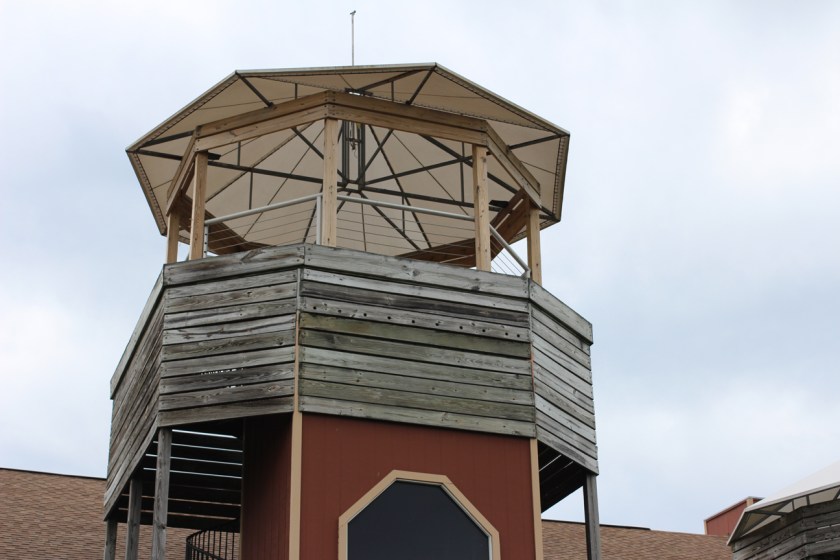
The view atop the visitor center is great as well.

We then drove around the island for a bit before heading home. There’s not much else, that we could find, but there are some beautiful homes. Before heading home we hit the outlets, always one of Nduku’s favorite parts of these day trips. And then we headed back home. A good getaway for the day.

 contrails