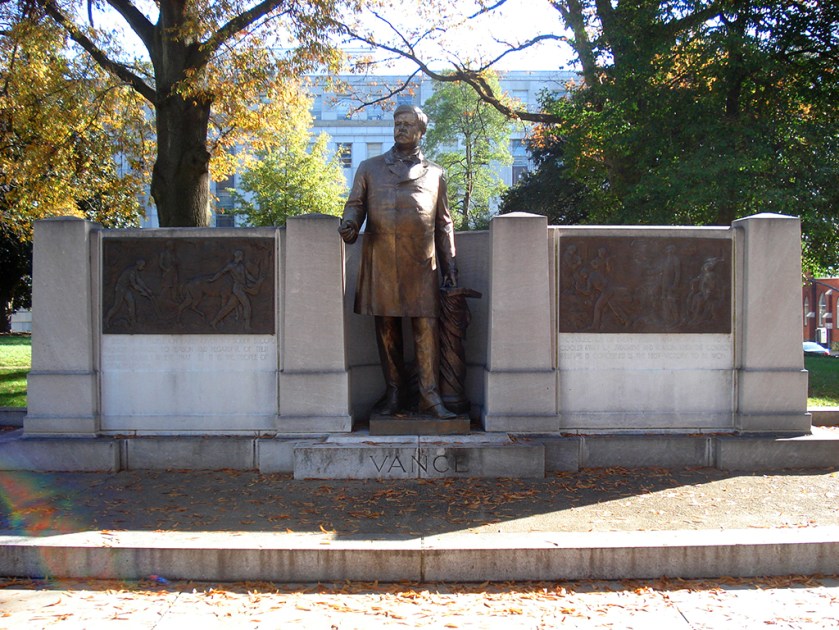
I’m visiting my dad in Arizona next week. Catching a plane. To get on the plane, I’ll need valid ID. Valid as in not expired. My ID card is expired and with very little time to figure out what I need to do to get my Washington, DC, ID card, I took a road trip to Raleigh to renew my North Carolina ID at the DMV.
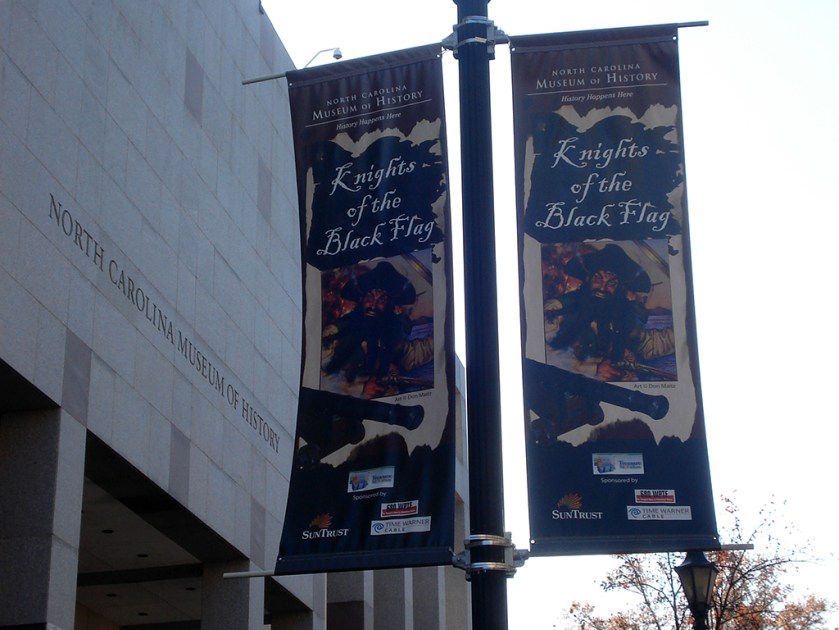
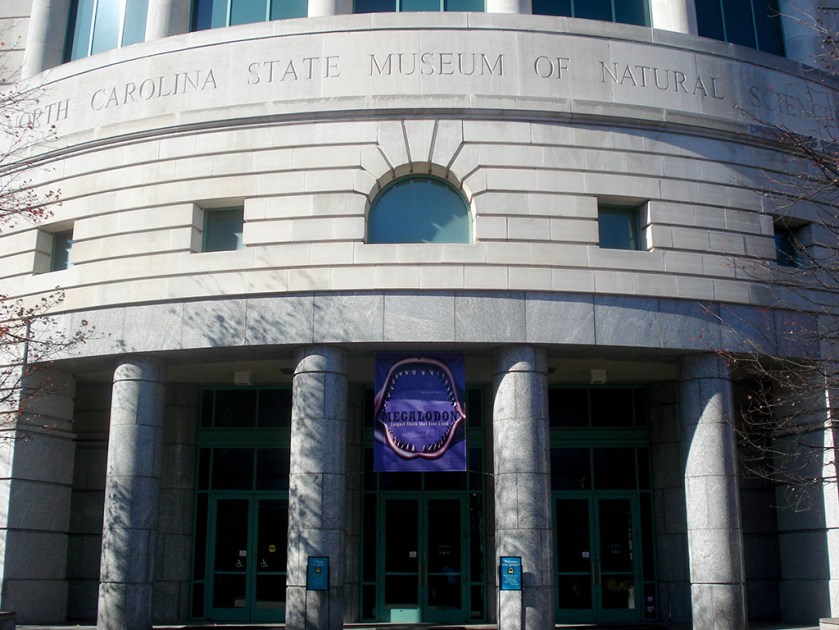
That’s just why I was there. While I was there, I stopped by the North Carolina Museum of History and the North Carolina Museum of Natural Science.
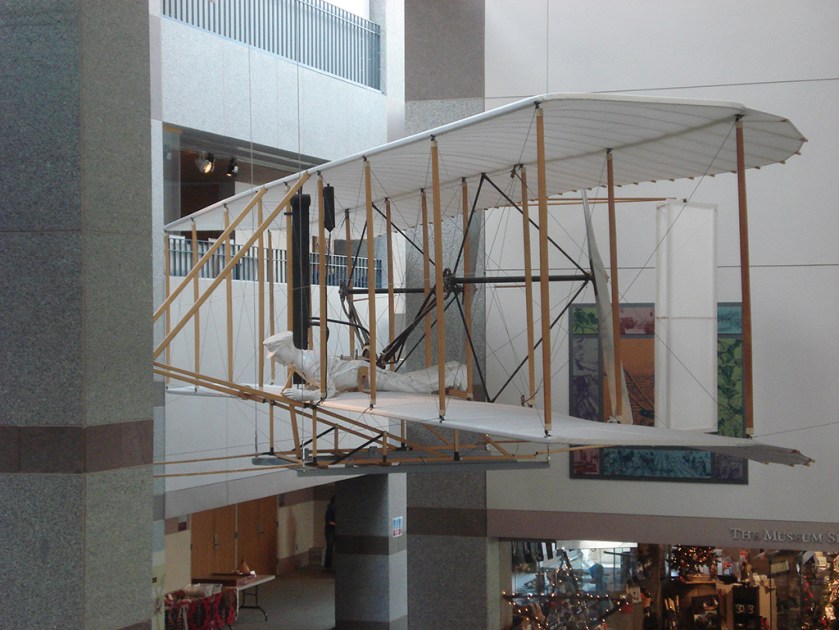
All those years living in North Carolina and I never went out to Kitty Hawk to see where man first took flight. Shame on me.


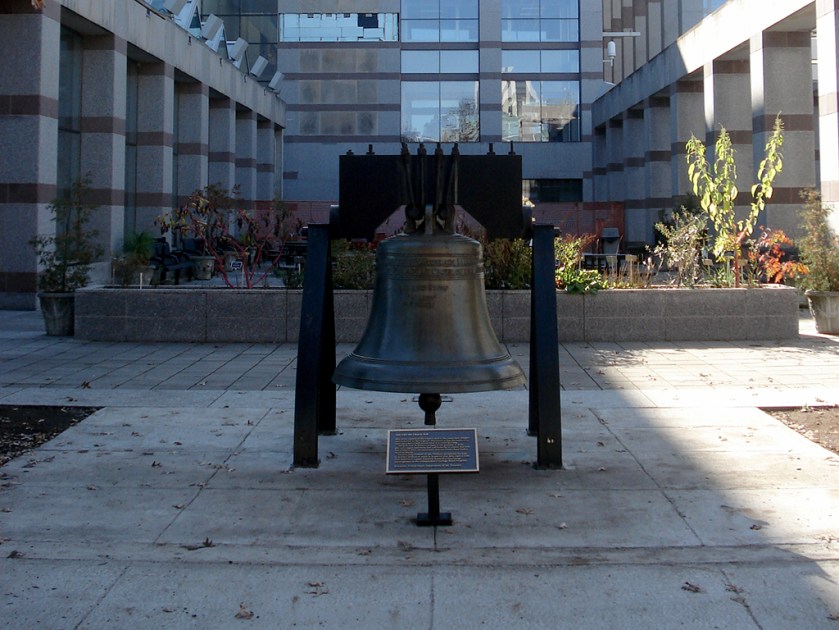
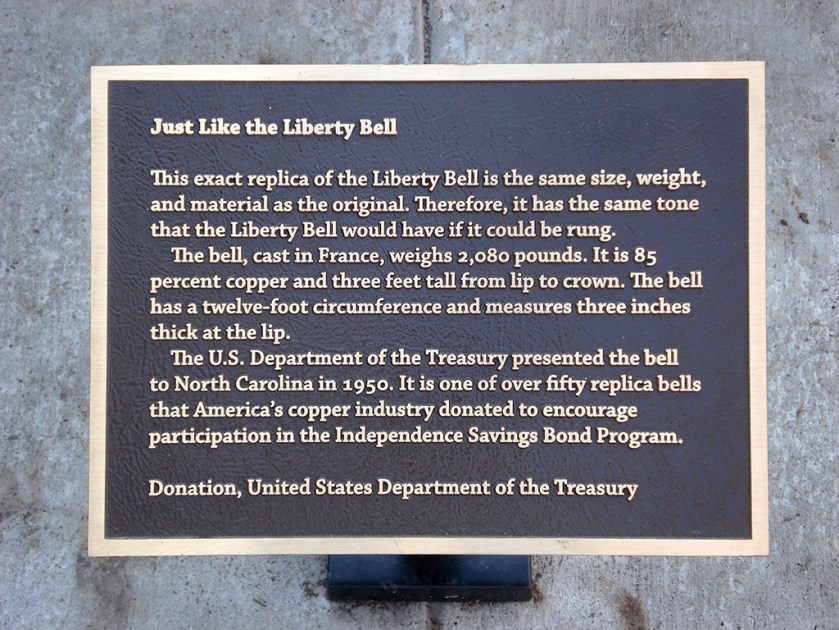
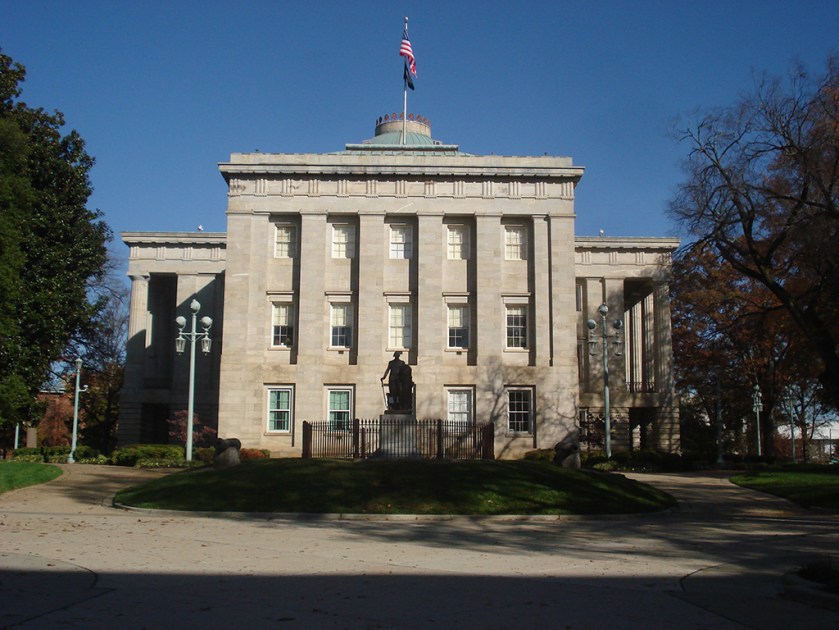
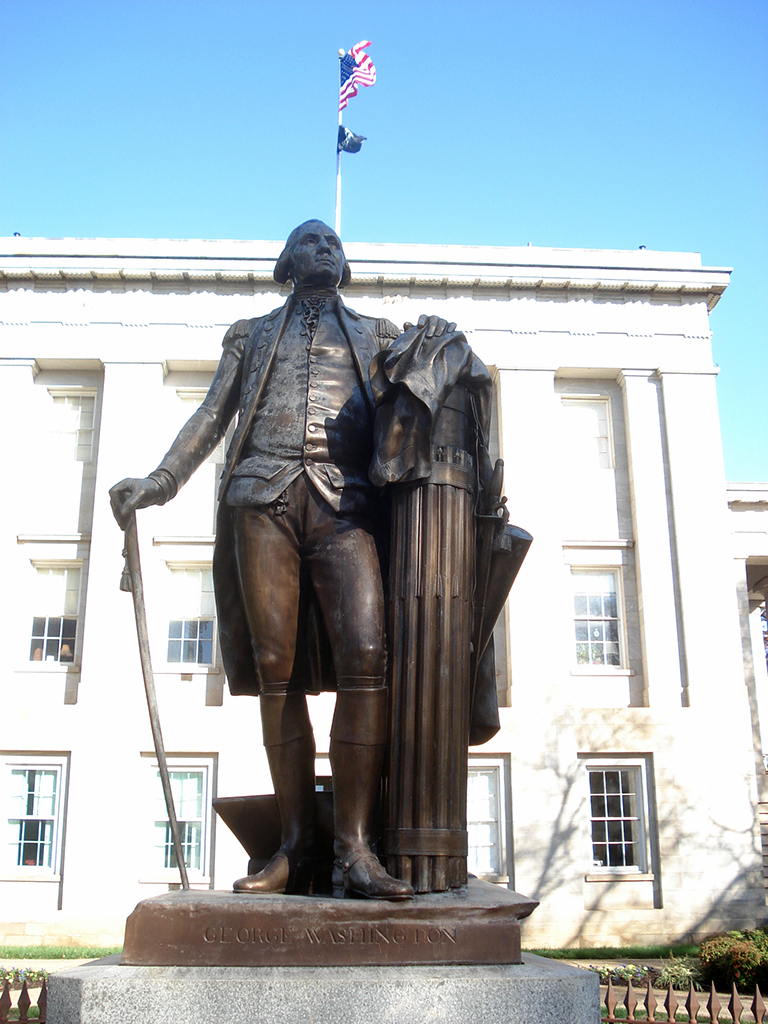
With plenty of time to kill before my train headed back to DC, I strolled past the State Capitol building and its many sculptures surrounding the building. It’s like a vanguard of former slave owners and advocates.
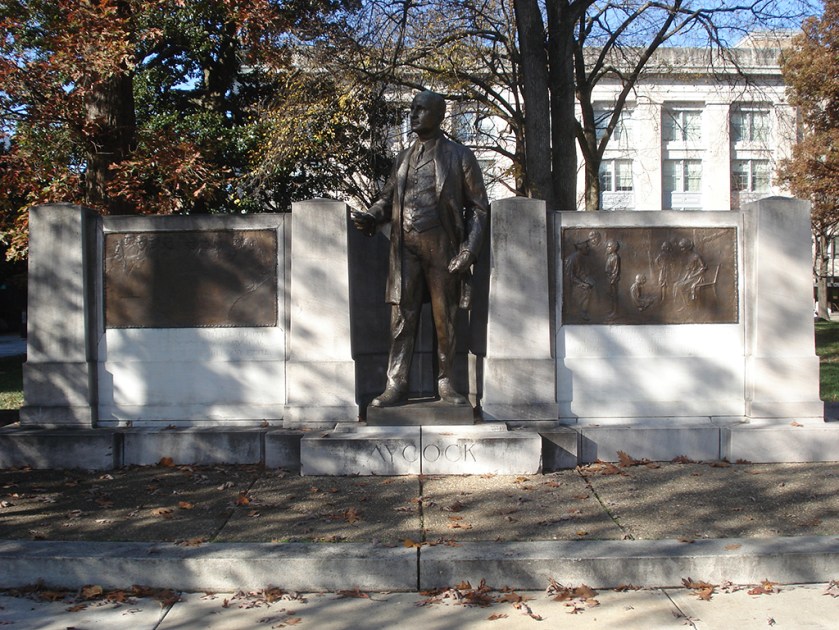
Charles Brantley Aycock was the 50th Governor of the U.S. state of North Carolina from 1901 to 1905. After starting his career as a lawyer and teacher, he became active in the Democratic Party during the party’s Solid South period, and was a strong proponent of the white supremacy campaigns of that period.
Aycock’s involvement with the Wilmington insurrection of 1898 is chronicled in official state commission report. “Planned violence to suppress the African American and Republican communities grew into unplanned bloodshed. The frenzy over white supremacy victory, incessantly repeated by orators such as Alfred Moore Waddell and Charles Aycock simply could not be quieted after an overwhelming and somewhat anticlimactic election victory.”
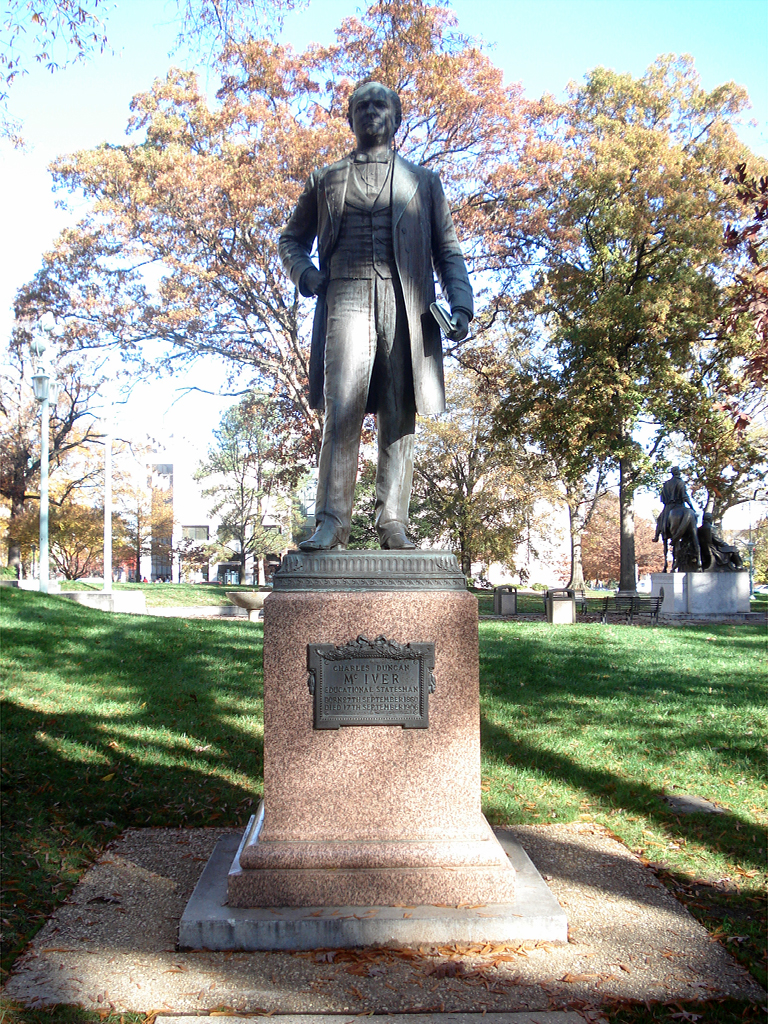
Charles Duncan McIver, founder and first president of the Normal and Industrial School for White Girls (now the University of North Carolina at Greensboro), was born in a part of Moore County that became Lee in 1907. His family soon moved to the home in which he lived as a child. He was the son of Matthew Henry and Sarah Harrington McIver. One grandfather, Evander McIver, owned six thousand acres and a hundred slaves; his other grandfather, William D. Harrington, also owned a large plantation in Moore County.
Johnson implemented his own form of Presidential Reconstruction – a series of proclamations directing the seceded states to hold conventions and elections to reform their civil governments. When Southern states returned many of their old leaders, and passed Black Codes to deprive the freedmen of many civil liberties, Congressional Republicans refused to seat legislators from those states and advanced legislation to overrule the Southern actions. Johnson vetoed their bills, and Congressional Republicans overrode him, setting a pattern for the remainder of his presidency. Johnson opposed the Fourteenth Amendment, which gave citizenship to former slaves.
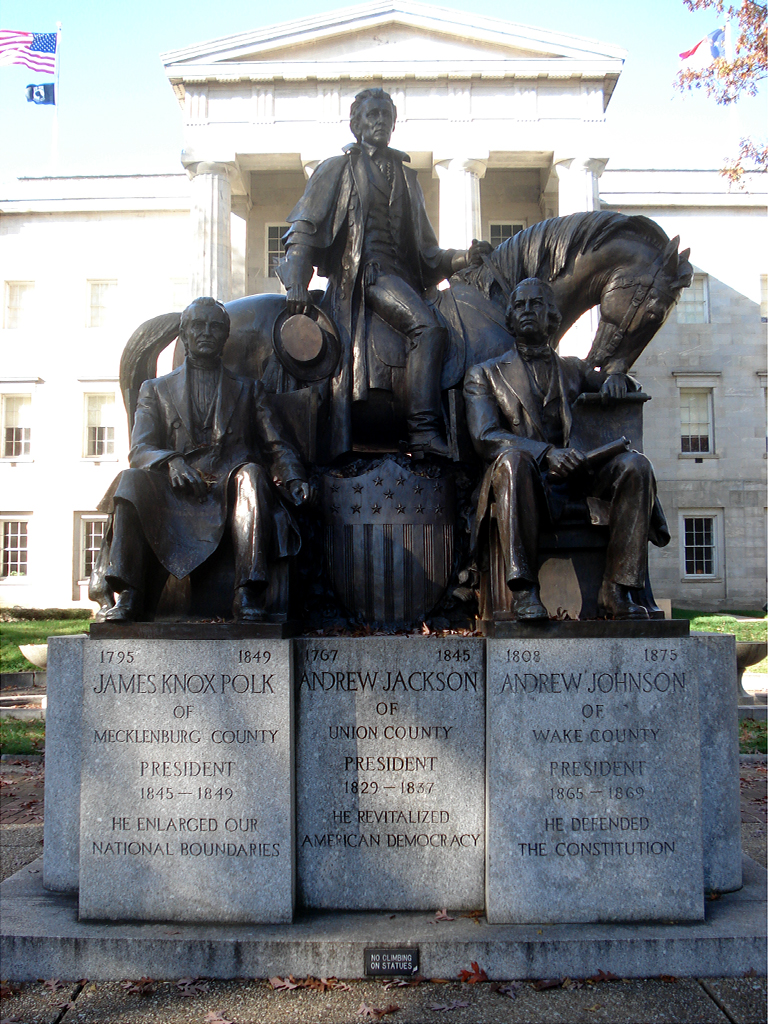
James K. Polk
Polk was a slaveholder for most of his adult life. His father, Samuel Polk, in 1827 left him more than 8,000 acres of land, and divided about 53 slaves among his widow and children in his will. James inherited 20 of his father’s slaves, either directly or from deceased brothers. In 1831, he became an absentee cotton planter, sending slaves to clear plantation land that his father had left him near Somerville, Tennessee. Four years later Polk sold his Somerville plantation and, together with his brother-in-law, bought 920 acres of land, a cotton plantation near Coffeeville, Mississippi, hoping to increase his income. The land in Mississippi was richer than that in Somerville, and Polk transferred his Tennessee slaves there, taking care to conceal from them that they were to be sent south. From the start of 1839, Polk, having bought out his brother-in-law, owned all of the Mississippi plantation, and ran it on a mostly absentee basis for the rest of his life.Andrew Jackson
When Andrew Jackson bought The Hermitage in 1804, he owned nine enslaved African Americans. Just 25 years later, that number had swelled to more than 100 through purchase and reproduction. At the time of his death in 1845, Jackson owned approximately 150 people who lived and worked on the property.Andrew Johnson
Johnson implemented his own form of Presidential Reconstruction – a series of proclamations directing the seceded states to hold conventions and elections to reform their civil governments. When Southern states returned many of their old leaders, and passed Black Codes to deprive the freedmen of many civil liberties, Congressional Republicans refused to seat legislators from those states and advanced legislation to overrule the Southern actions. Johnson vetoed their bills, and Congressional Republicans overrode him, setting a pattern for the remainder of his presidency. Johnson opposed the Fourteenth Amendment, which gave citizenship to former slaves.
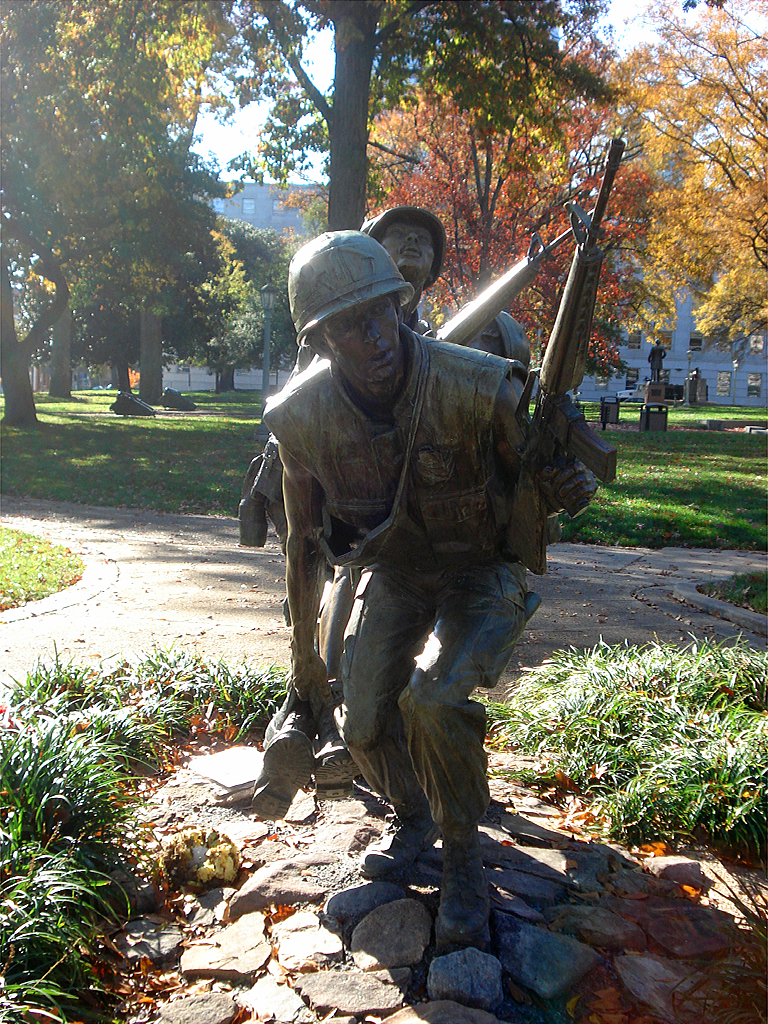
Not all the sculptures were of slave owners, though.
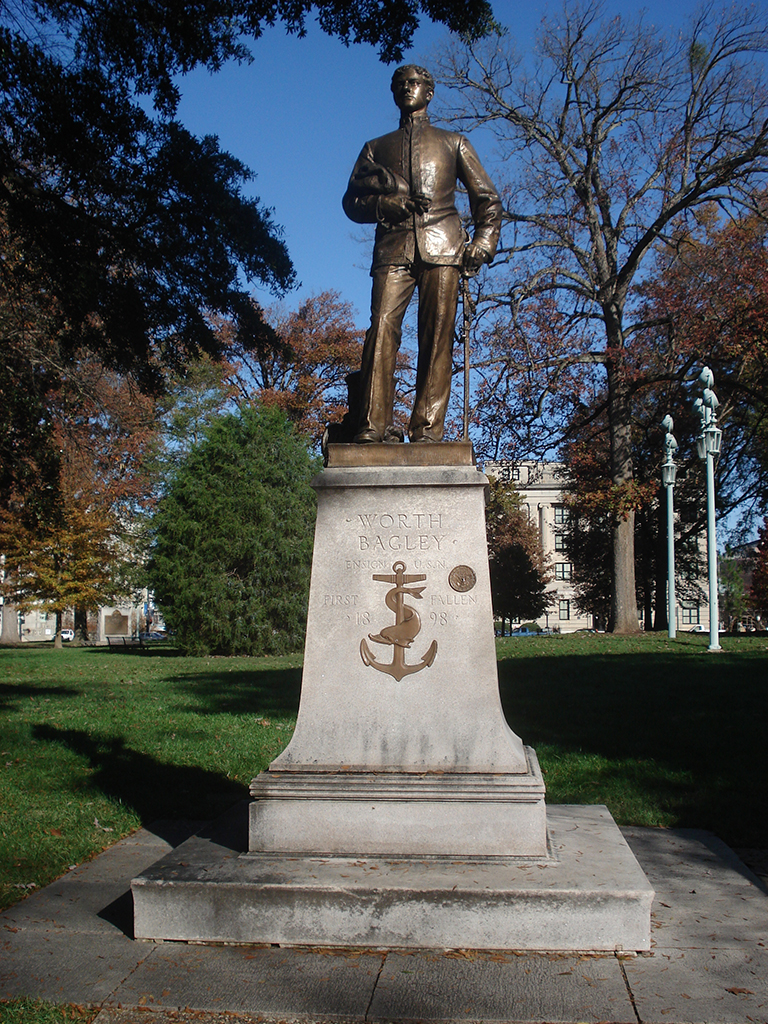
Ensign Worth Bagley was a United States Navy officer during the Spanish–American War, distinguished as the only U.S. naval officer killed in action during that war.

 contrails